

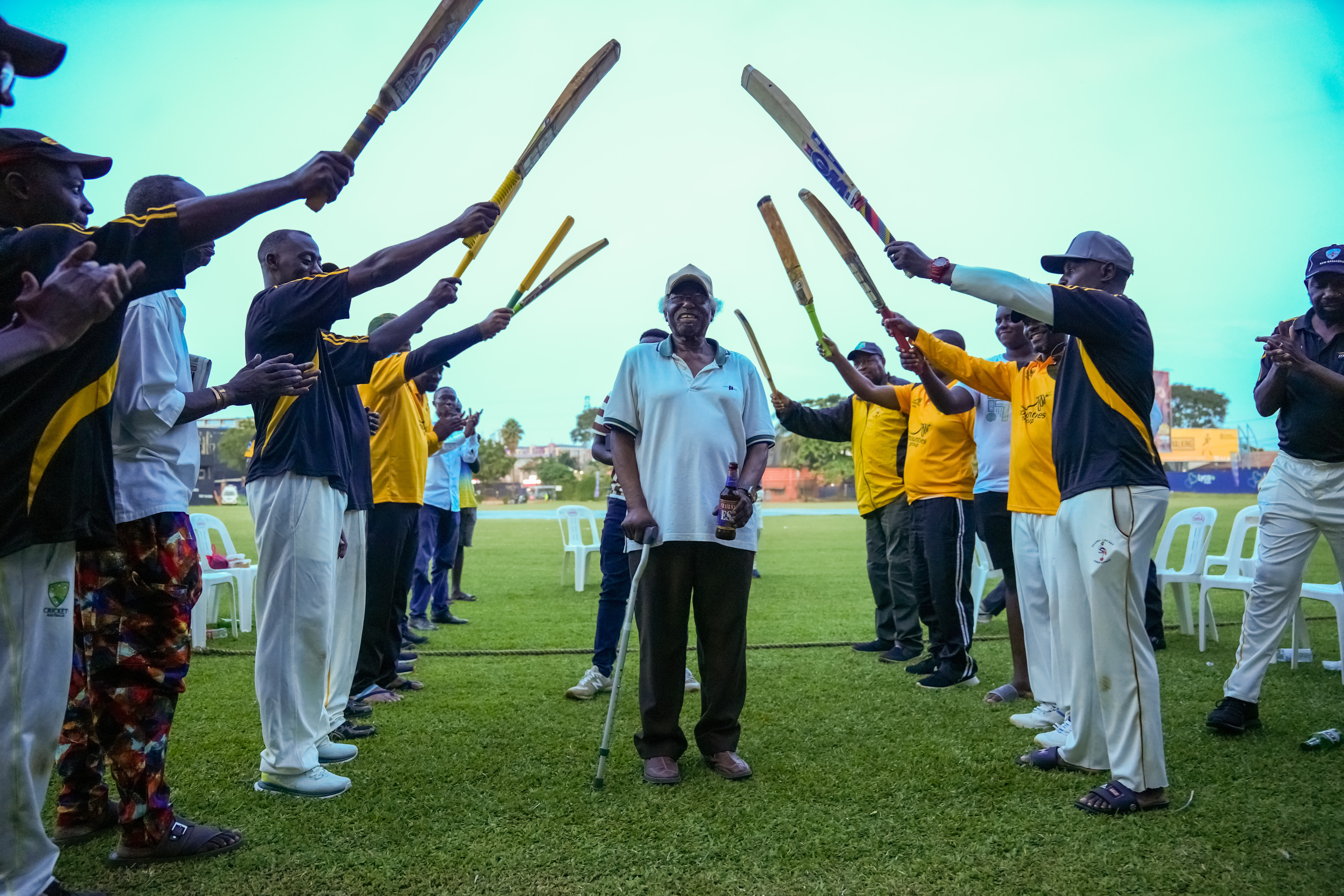
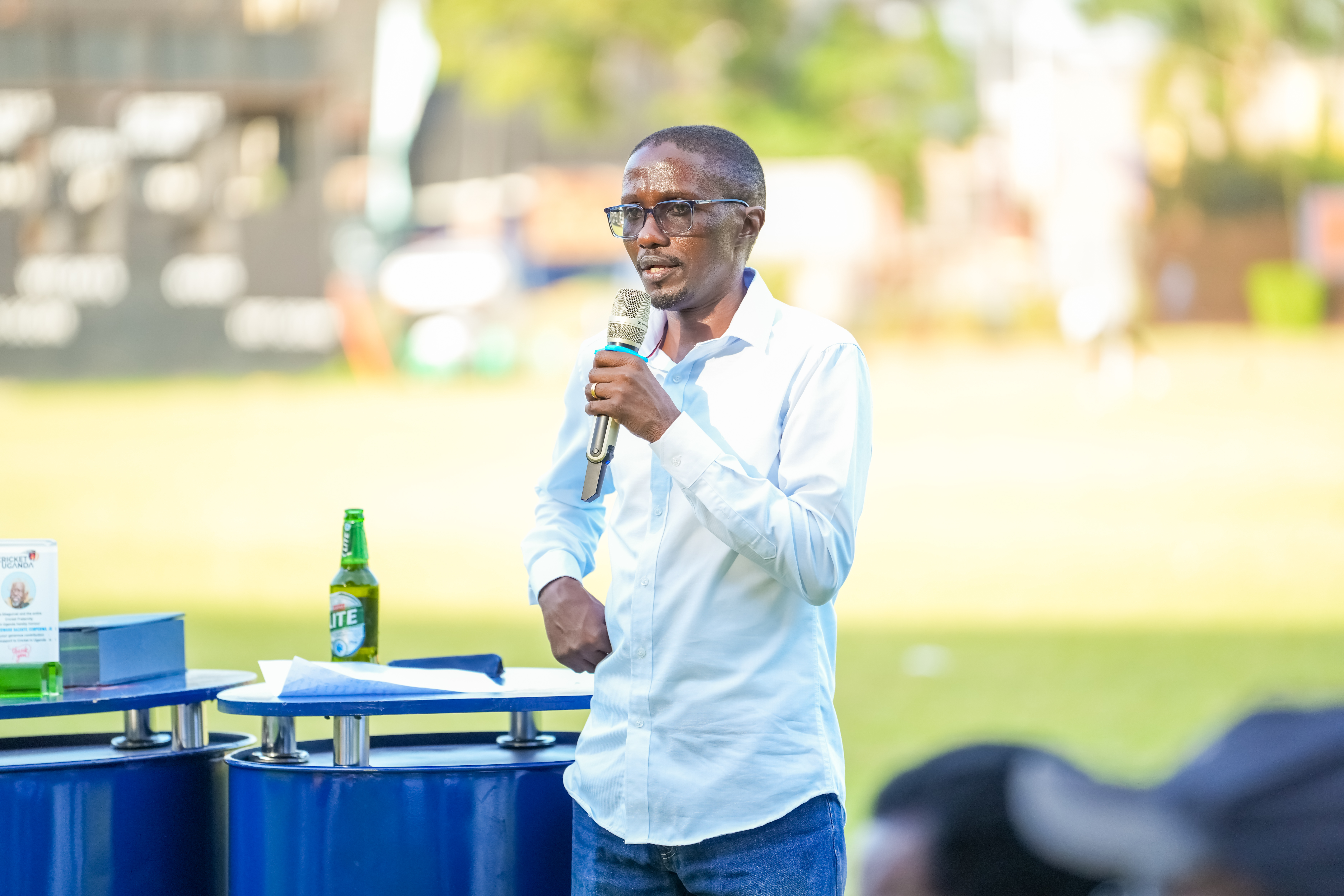
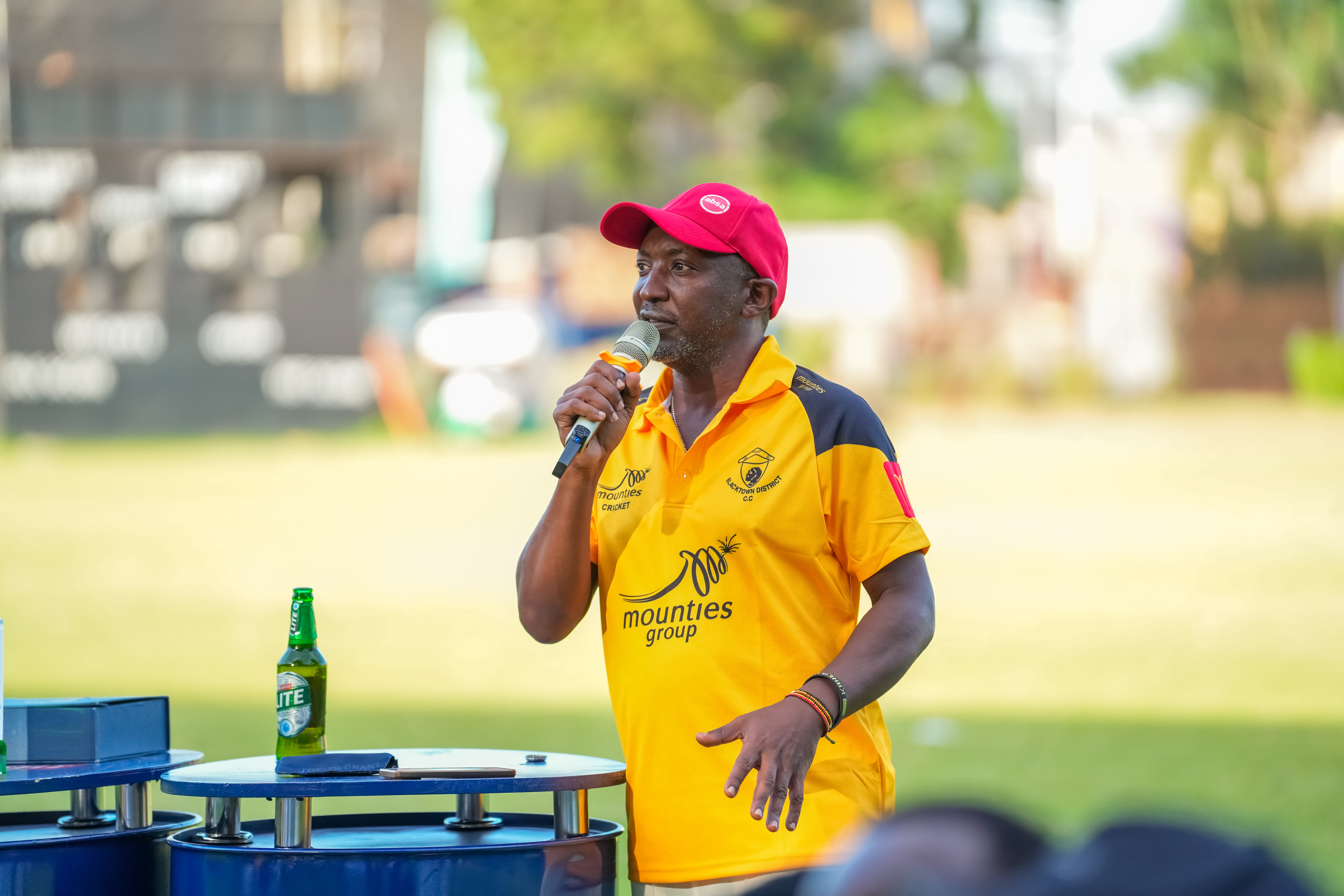
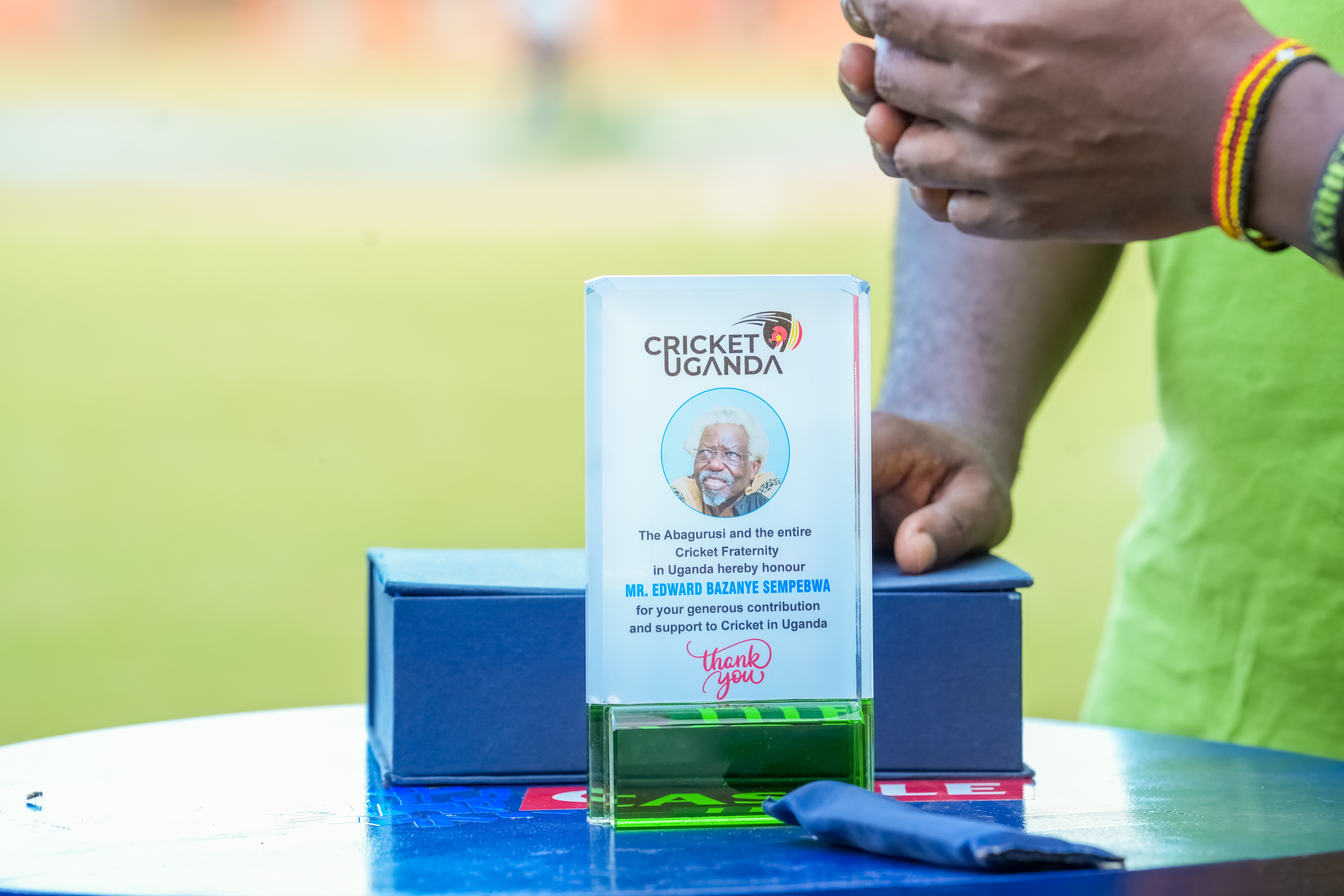
Kampala. On Saturday, April 11, 2026, the Lugogo Cricket Oval played host to a deeply moving and celebratory occasion as Uganda’s cricket fraternity came together to honour one of its enduring pillars – Edward Frobisher Lutu Bazanye Sempebwa (ESB).
The day was organised by Kisementi Jazz in conjunction with Cricket Uganda alongside mainstay partners Tents 4 U, Castle Lite and Case Medical Services.
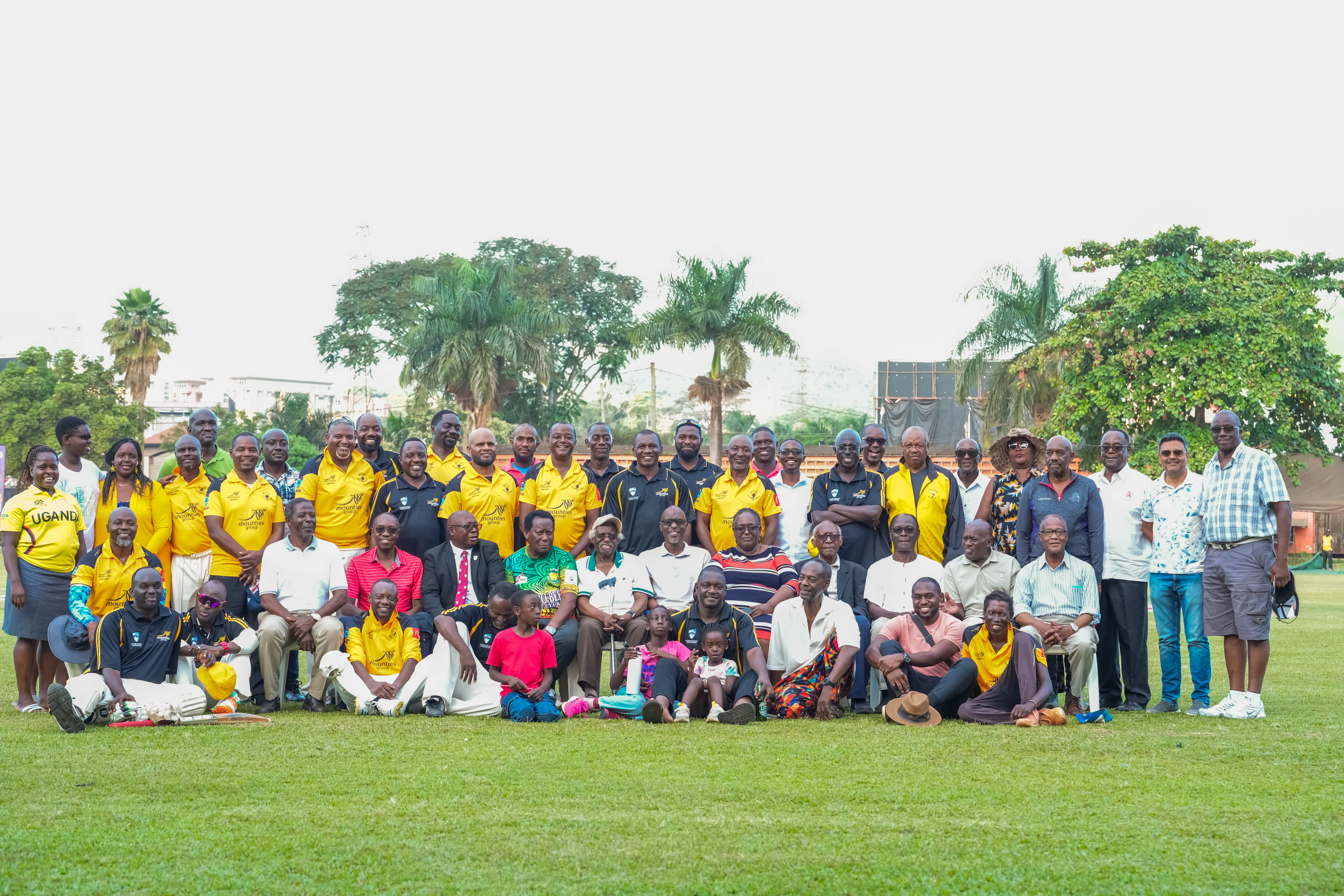
It was a day that blended cricket, history, and gratitude – a fitting tribute to a man whose contribution to the game spans over six decades, from the schoolyards of the 1950s to boardroom leadership in the 2000s.
Cricket as tribute
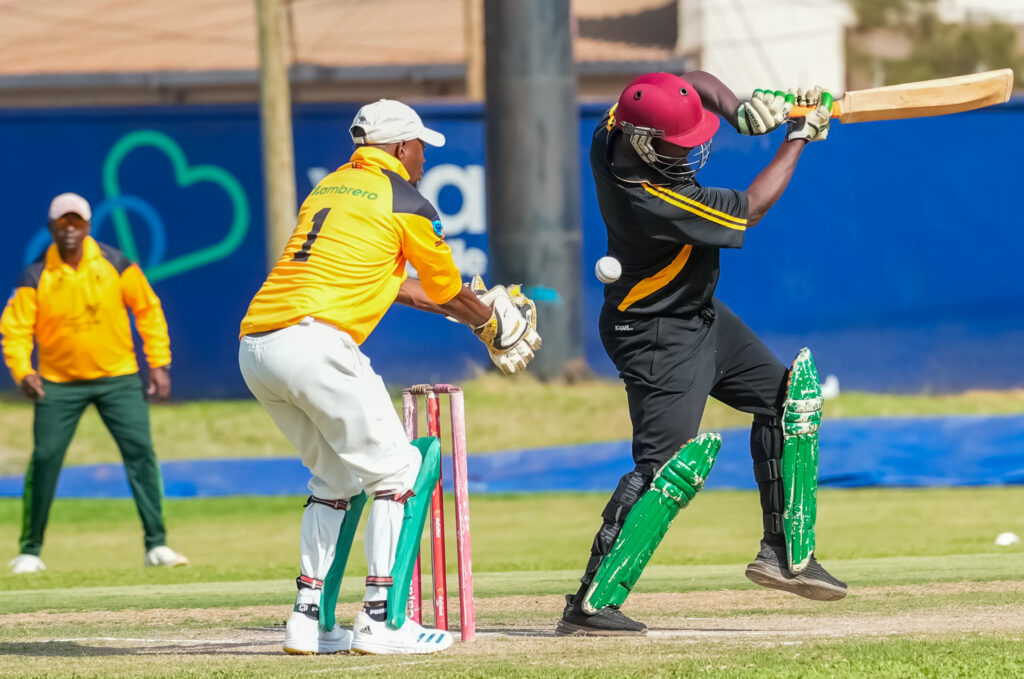
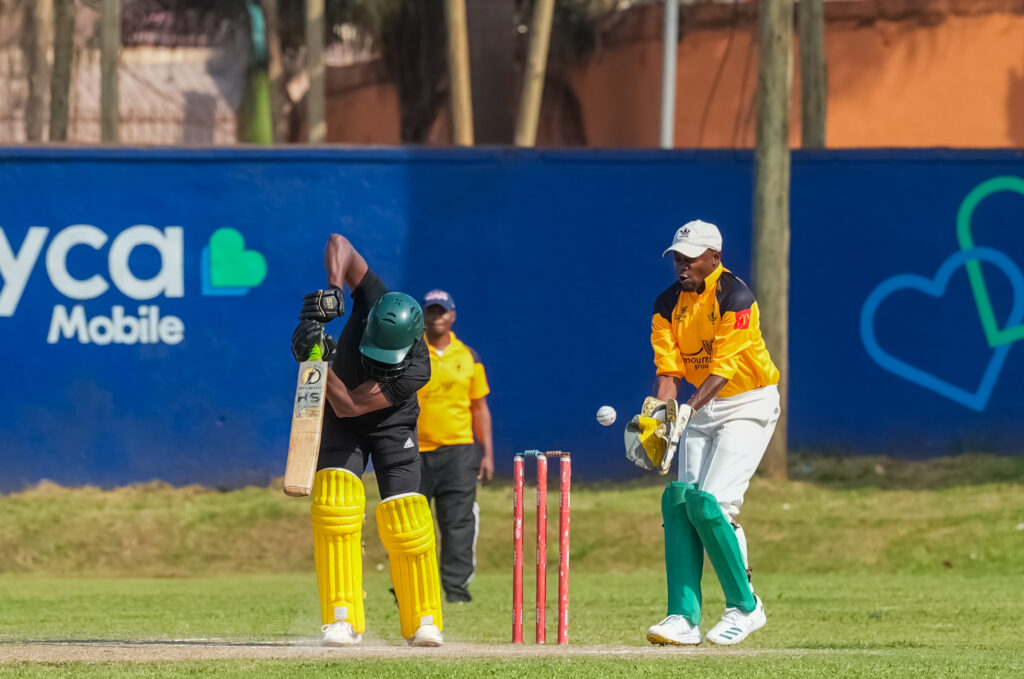
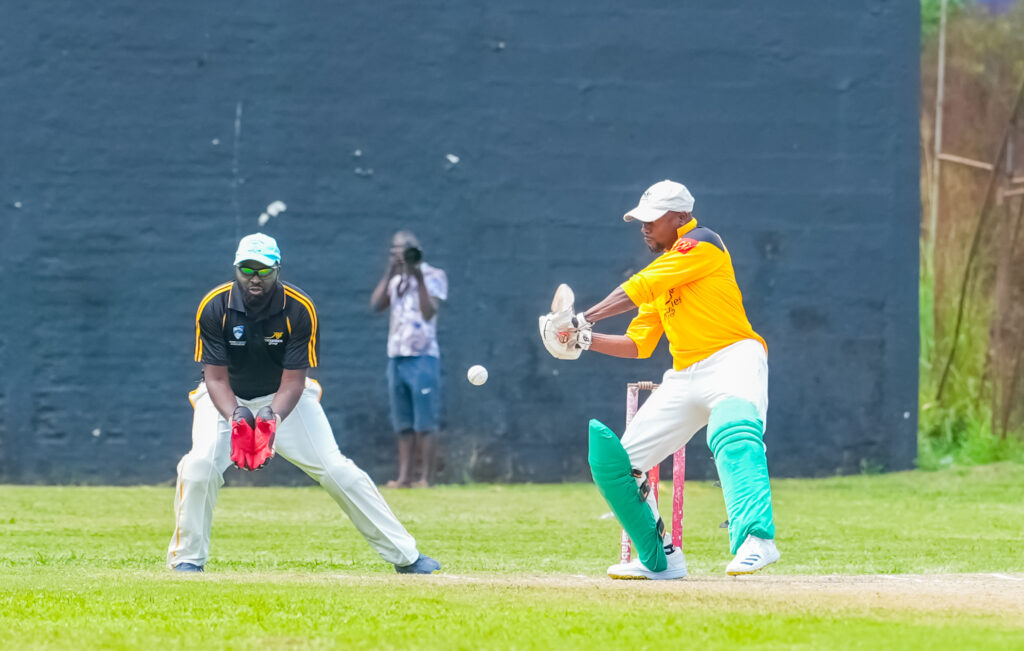
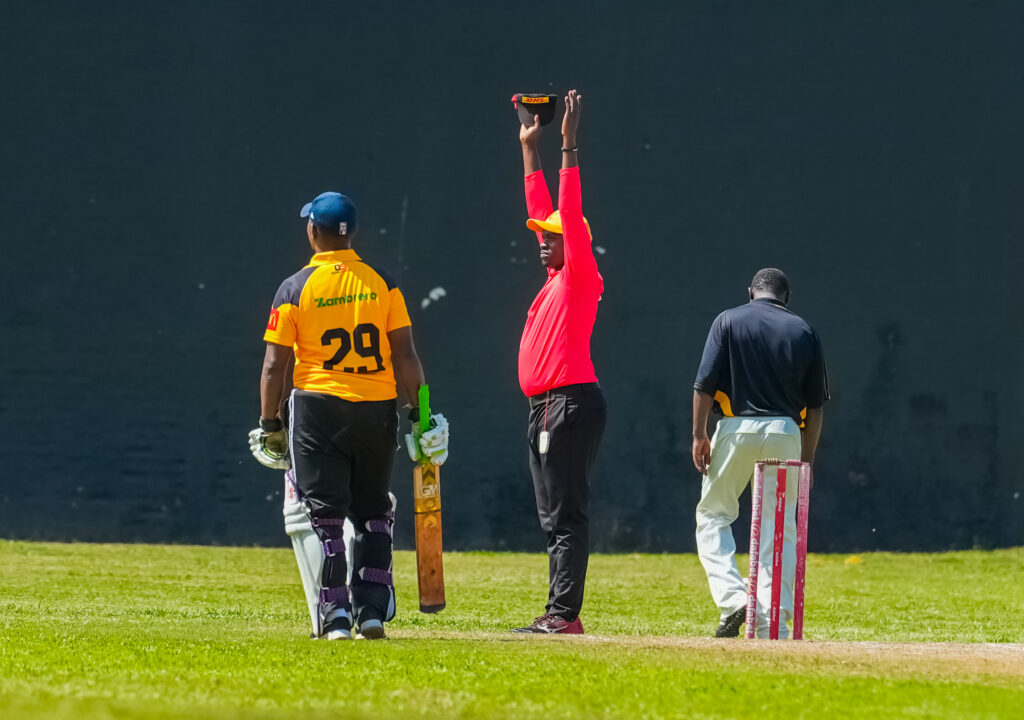
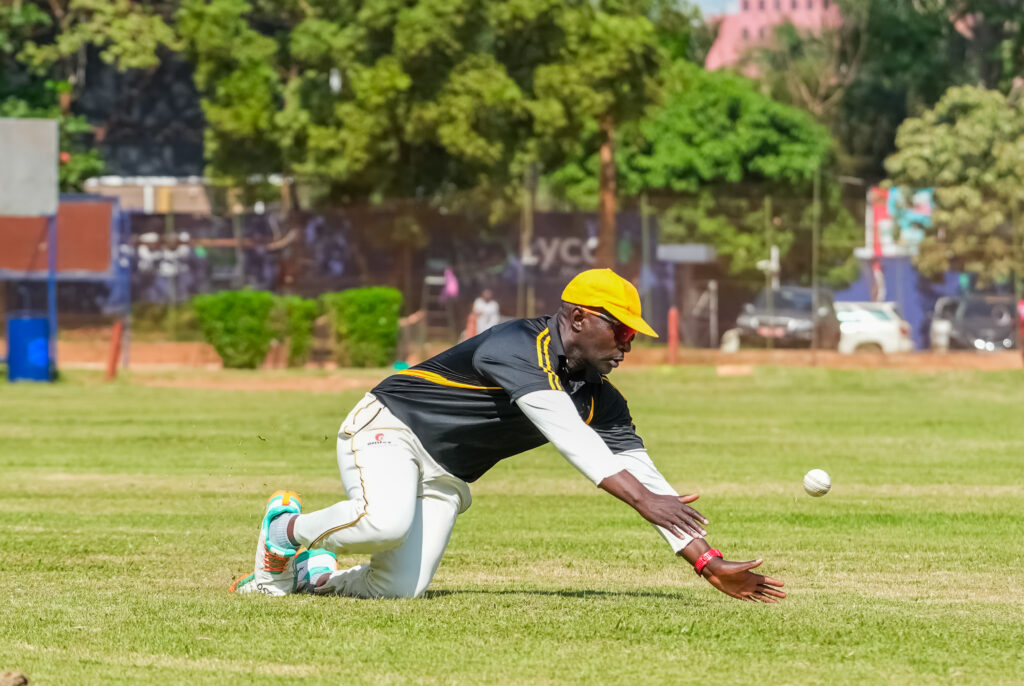
The celebrations began in the most fitting way – on the pitch. A friendly ‘Bagurusi’ Legends match brought together former players, administrators, and enthusiasts, including several contemporaries of ESB.
The match was less about competition and more about connection – every run, appeal, and stroke echoing memories of a shared cricketing past.
Benjamin Musoke, a stylish batsman for the Cricket Cranes in his heyday and Bashir ‘Badu’ Ansasiira – a former Cricket Uganda chairman – were the standout players, the former with a half-century laced with beautiful boundaries and the latter with a three-wicket haul.
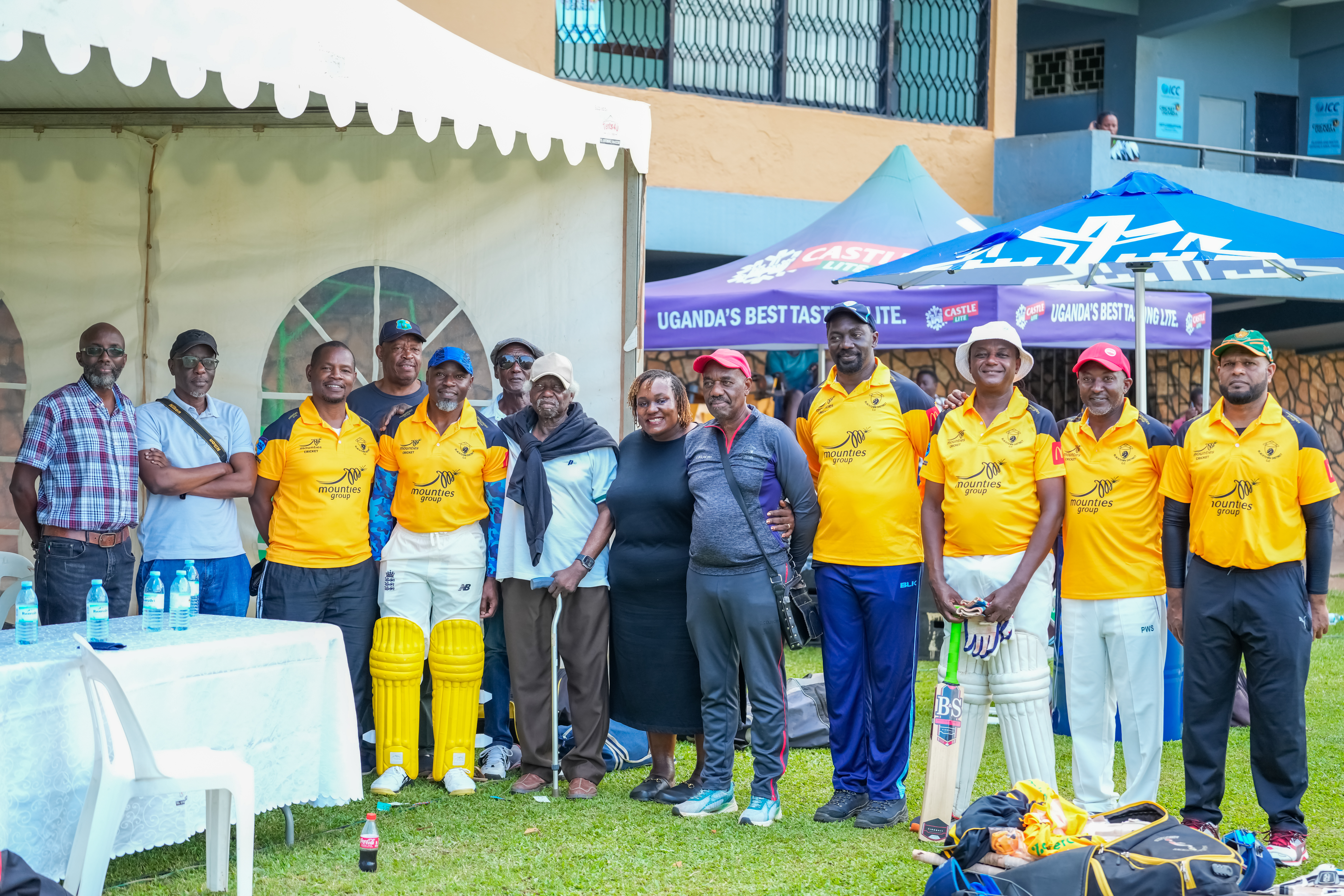
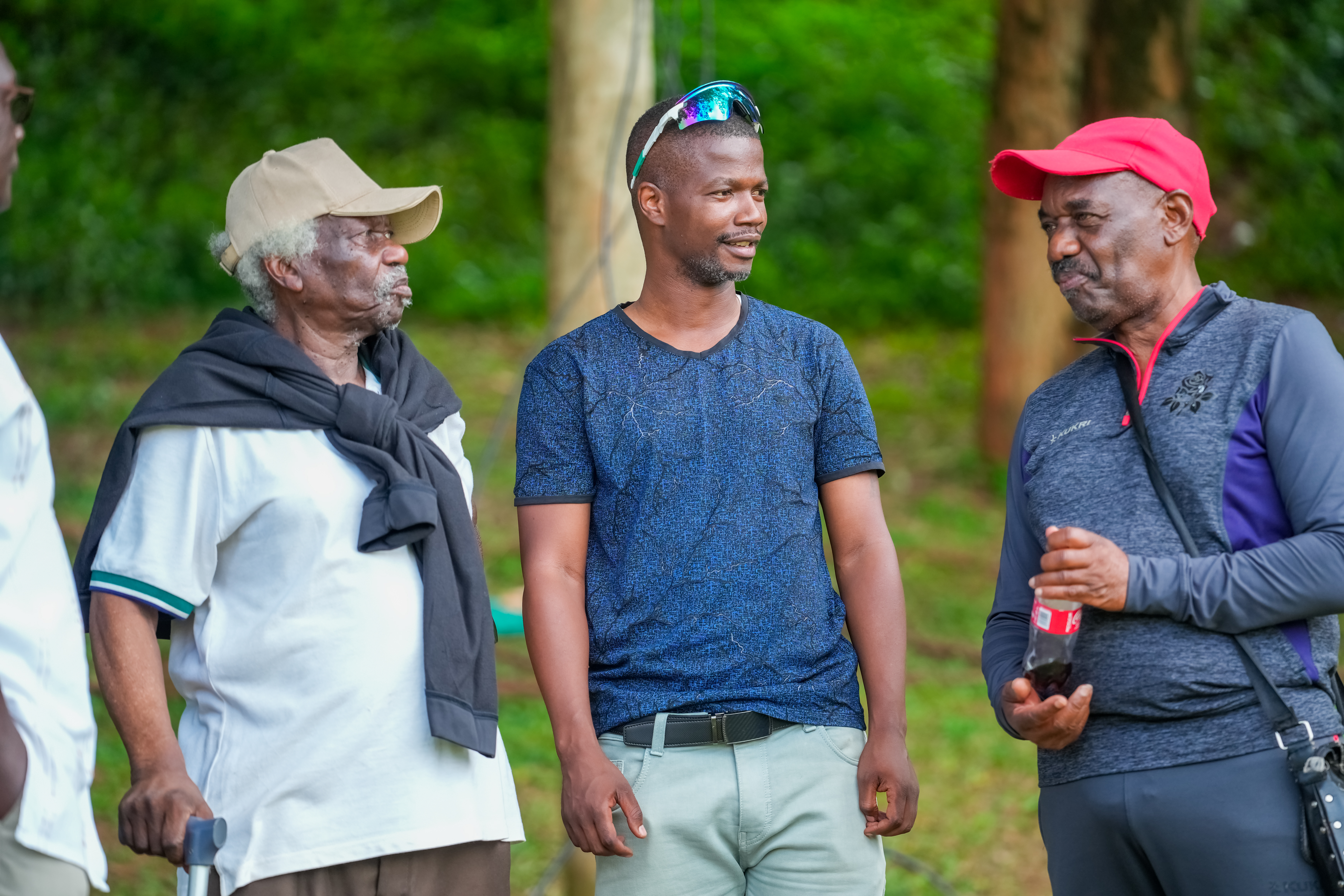
Laughter, nostalgia, and storytelling flowed freely, capturing the spirit of a generation that built and sustained Ugandan cricket through its most challenging periods.
Humble giant of the game
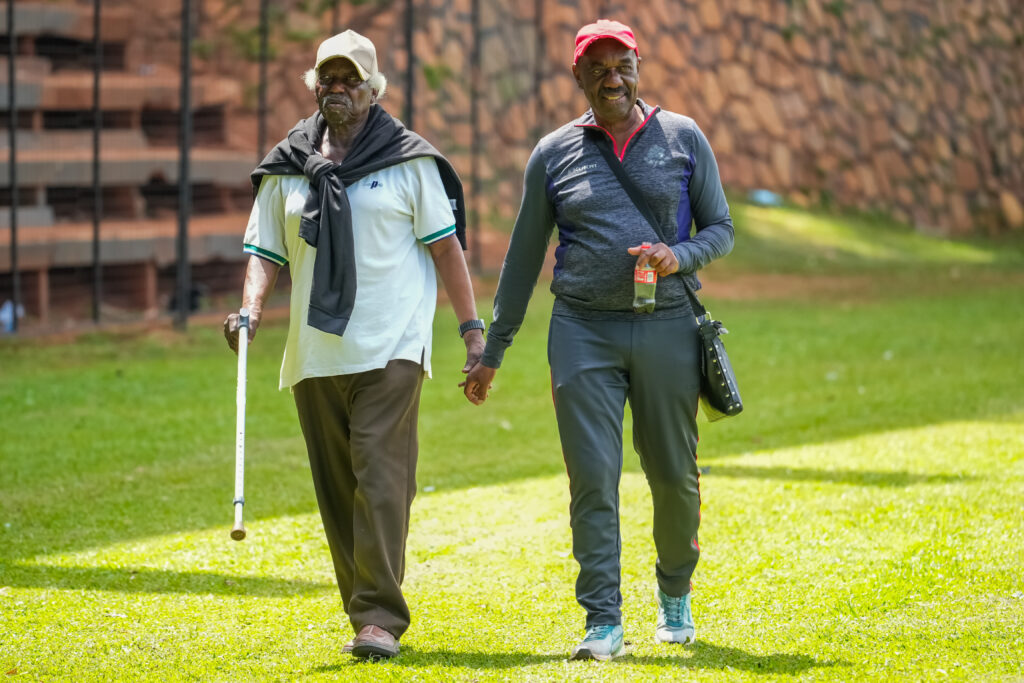
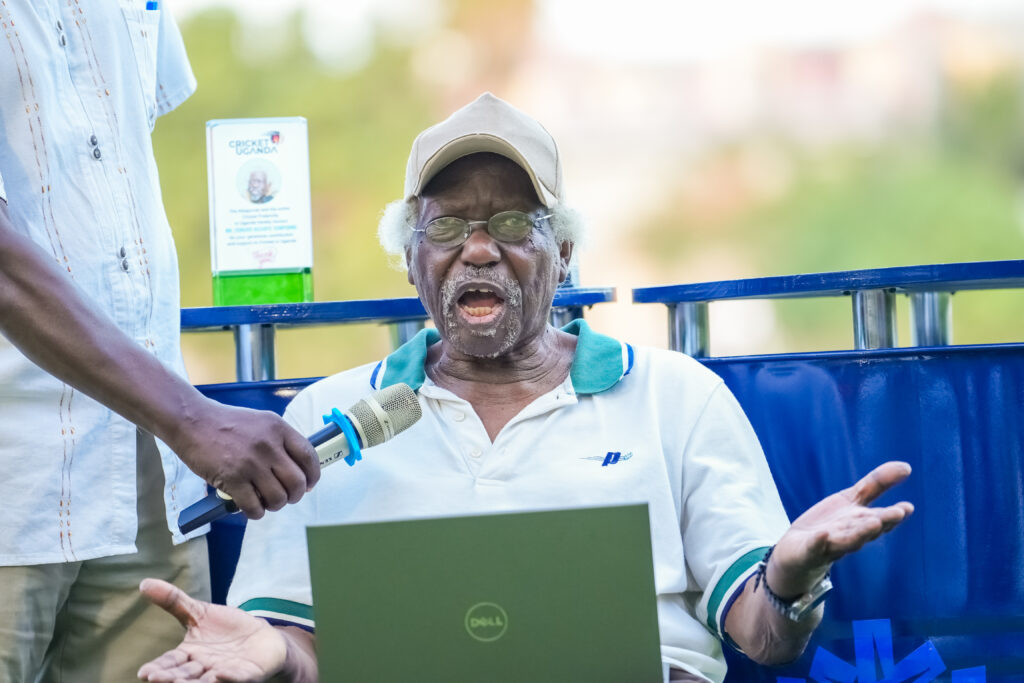
In his acceptance speech, Sempebwa expressed deep humility, admitting he was initially surprised by the honour.
“The cricket I played wasn’t worth writing home about,” he reflected — a statement that drew smiles from those who witnessed his excellence firsthand.
Yet, his record tells a different story.
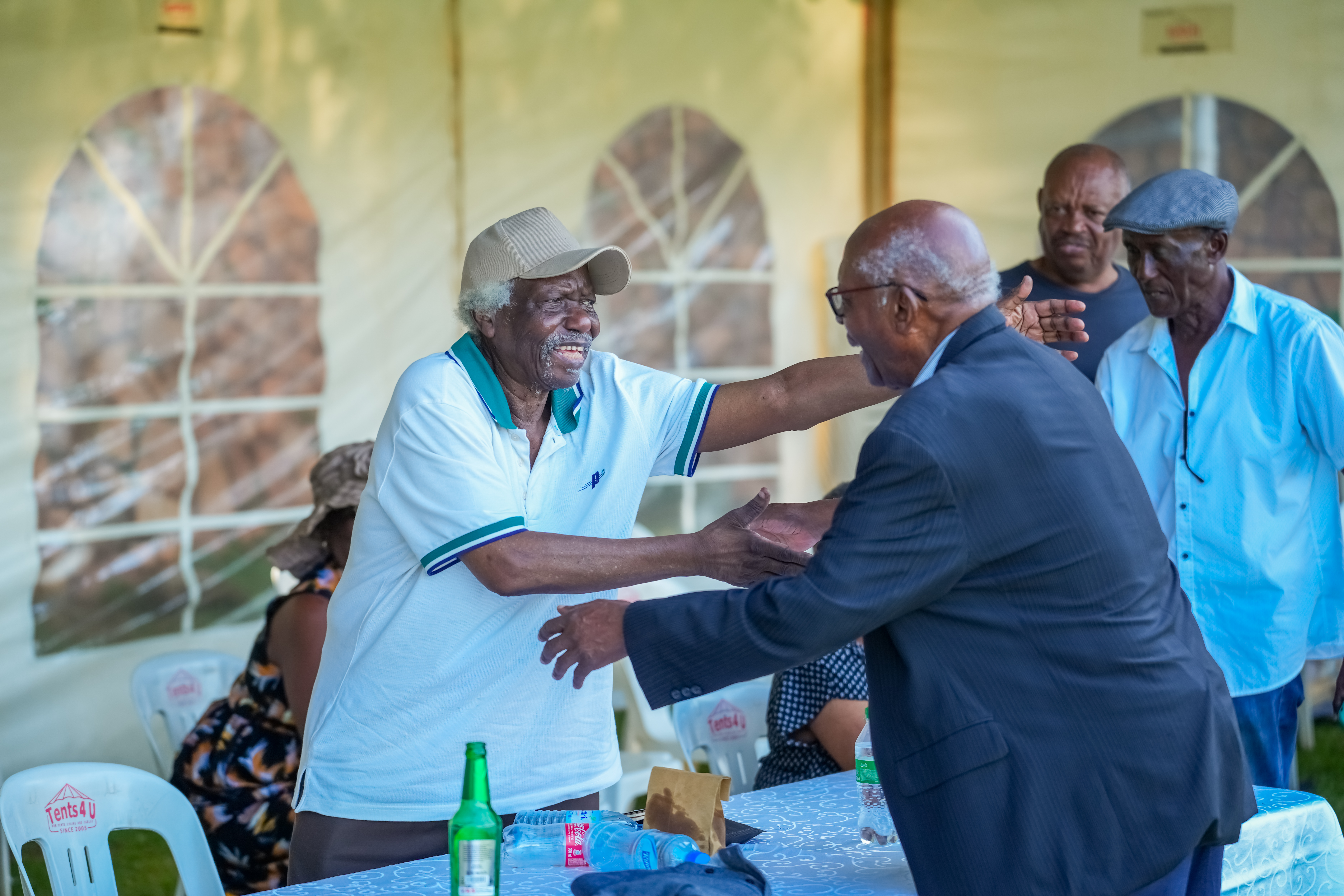
A left-handed opening batter, Sempebwa’s playing career peaked between 1968 and 1976, during which he:
- Represented the Uganda National Team (1972–1976)
- Registered multiple half-centuries and not-outs
- Formed formidable opening partnerships, notably with Pesweri Nyangabyaki
- Featured in memorable matches, including Uganda’s clash against Ghana in Jinja.
Beyond Uganda, his cricket journey extended to Kenya (1976–1986), where he played for:
- Wanderers Cricket Club
- Impala Club
- Africa Cricket Club
Alongside notable regional and international players such as Dan Kigozi, Daudi Golooba, James Shikuku, Kenneth Odumbe, Derek Pringle, and Robbie Armstrong, further enriching his cricketing pedigree.
Custodian of cricket through turbulence
Sempebwa belongs to a rare generation that held Ugandan cricket together during the aftermath of the 1972 expulsion of Asians, a period that left the sport structurally weakened.
Through club cricket, school engagement, and sheer passion, he and his peers ensured that cricket not only survived – but slowly rebuilt.
Former teammate Sam Walusimbi – a legendary figure having played for East Africa Combined XI in the first-ever ICC Cricket World Cup in England 1975 – captured this legacy best:
He’s one of those with whom we struggled and we were with him all along to try and revive the game of cricket, try and spread the game of cricket in schools and so on, so forth. He was our left-hand opening batter. I have yet to see a better opening batter for Uganda, until even up to now, I don’t think I have seen anyone. He’s one of those we depended on to keep cricket alive.
Walusimbi’s tribute painted a vivid picture of Sempebwa’s quality at the crease, recalling matches such as one against Nigeria and Ghana in Jinja.
He fondly recalled the unique cricketing relationship between King’s College Budo and Busoga College Mwiri, describing how young players were inspired by watching older students compete.
These encounters, he noted, helped build both character and a lifelong love for the game. He was also a member of King’s College Budo football team (number 9 forward).
Among his most vivid memories was a moment from 1961, when he witnessed what he described as his biggest six – sending the ball soaring over the Shell Petrol Station in Lugogo.
“That huge six was hit by legend William Kamanyi off my ‘medium rare’ bowling. My following ball rearranged his furniture,” he narrated.
It was a story that drew laughter and admiration from the audience, capturing both the joy and folklore of cricket in that era.
Walusimbi also highlighted ESB’s humour and humanity – qualities that made him not just a teammate, but a cornerstone of the cricketing community.
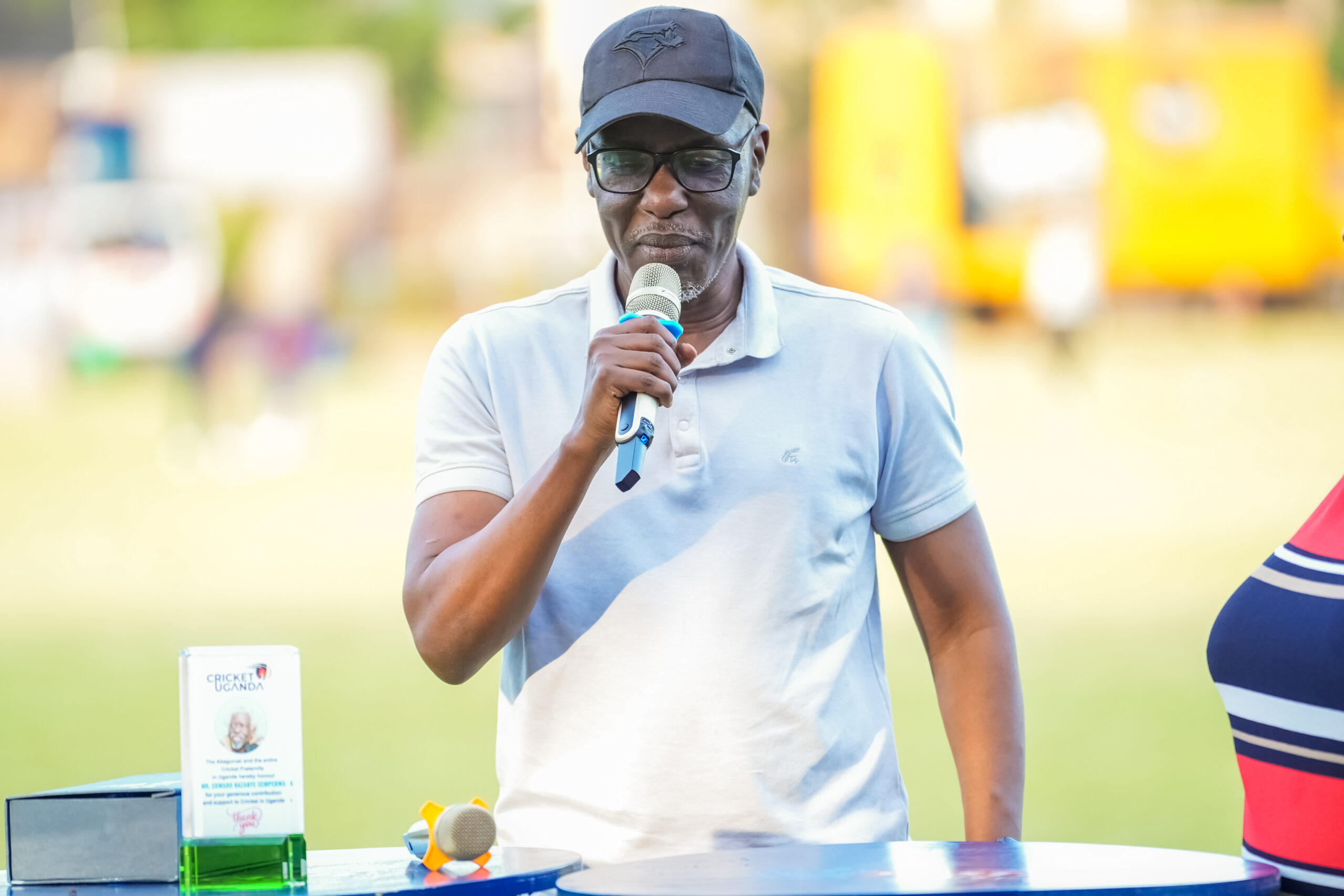
Now, those who don’t know Mr Sempebwa may not know what a very nice man he is. He cracks a lot of jokes, loves a good life and loves people around him.
Beyond the boundary
Sempebwa’s influence extends far beyond playing.
He later served as: Chairman, Uganda Cricket Association Selection Committee (2007–2010)
A strong advocate for:
✓ Performance-based selection
✓ Statistical analysis in cricket
✓ Structured player development systems
Parallel to cricket, he built an illustrious ICT career spanning over 35 years, including:
- Director, Information Services – Uganda Bureau of Statistics
- Chief Systems Analyst – East African Power & Lighting
- International training across USA, Hungary, Ethiopia, and Kenya

Roots of a sporting life
Born on October 16, 1946, Sempebwa’s sporting journey began early:
- Played cricket at Sevenoaks School (UK) — gaining international exposure
- Started cricket in 1955
- Represented King’s College Budo (Cricket, Tennis, Swimming)
- Earned school colours in multiple sports
He was also:
- A Boy Scout (First Class)
- A school chapel pianist
- A tennis champion and captain
This multi-sport and disciplined upbringing shaped both the cricketer and the man.
A living legacy
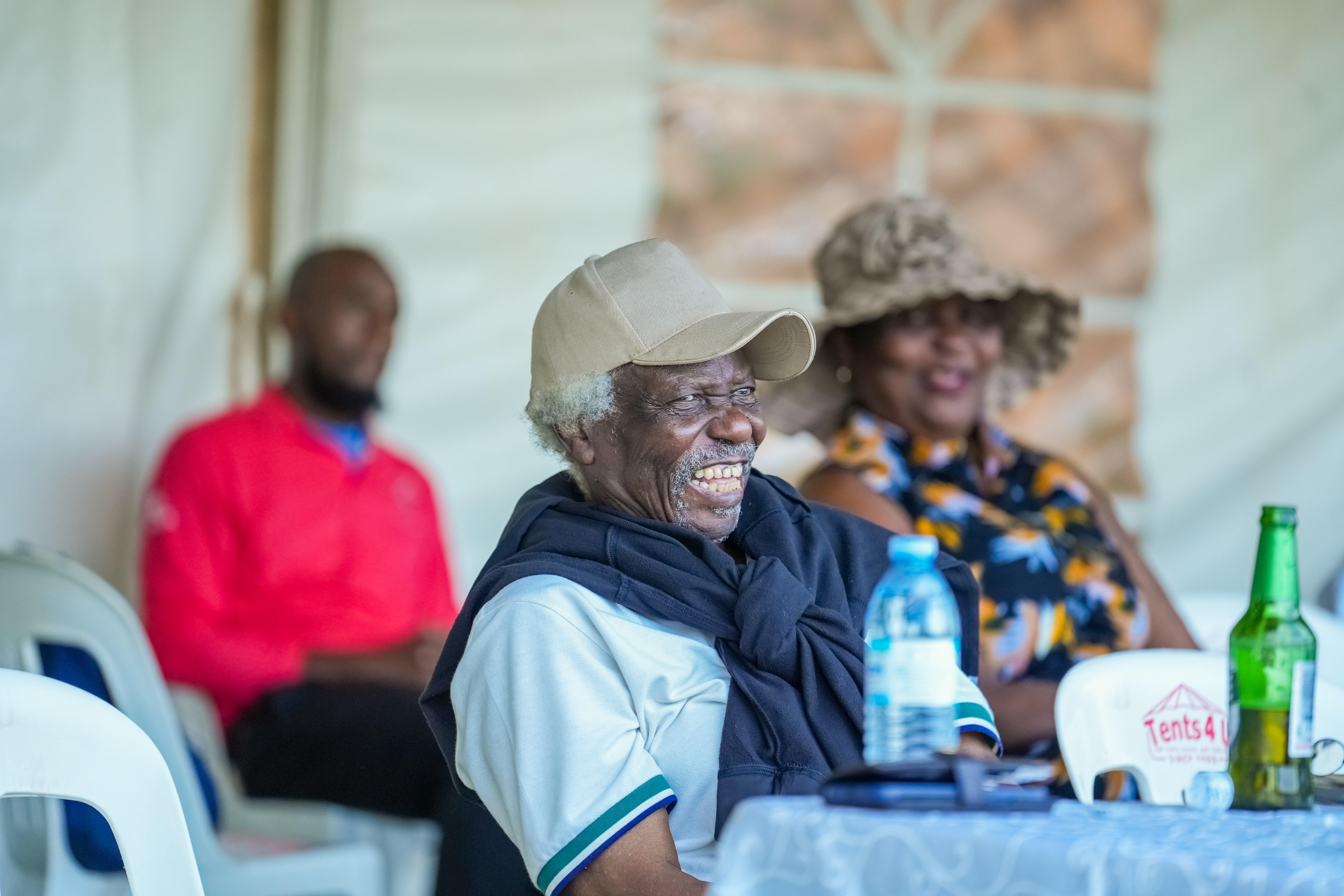
As the sun set on the memorable Saturday, one sentiment stood above all: Edward Bazanye Sempebwa’s legacy is not confined to the past.
It lives on in:
- Uganda’s cricket structures
- The generations he inspired
- The values of humility, discipline, and service
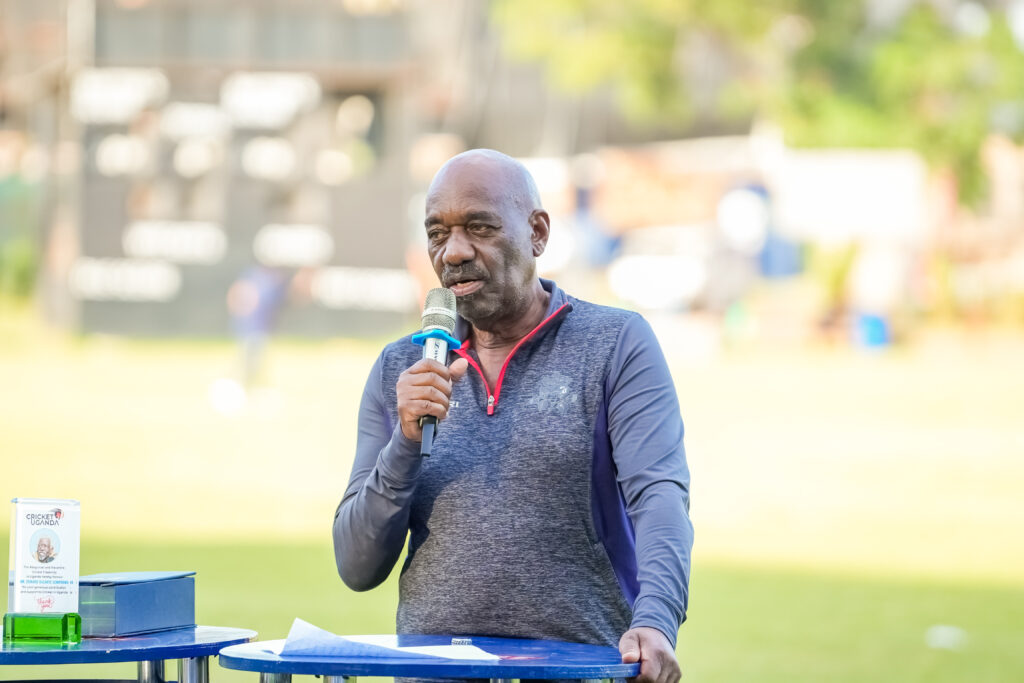
And in today’s players – including the likes of Simon Ssesazi and Ronald Lutaaya, whom he praised as the future of Ugandan cricket.
A cricketer, a mentor, a custodian — Edward Bazanye Sempebwa’s story is not just history; it is the foundation upon which Ugandan cricket continues to grow.
TIMELINE: EDWARD BAZANYE SEMPEBWA
1946: Born in Uganda
1955: Begins playing cricket (Budo Junior School)
1958: Breaks into the school cricket team
1962–1964: Plays cricket at Sevenoaks School (UK) – earns House Colours
1965–1966: Represents King’s College Budo – earns school colours (Cricket, Tennis, Swimming)
1968-1970: Plays for Makerere University Cricket Team, Captain – Northcote Hall Cricket Team
1972-1976 (Peak Years): Represents Uganda National Cricket Team, Records multiple half-centuries and key partnerships
1976-1986: Plays club cricket in Kenya (Wanderers, Impala, Africa CC)
2007-2010: Chairman, UCA Selection Committee (3 terms)
2026: Honoured by the Uganda Cricket fraternity at Lugogo Oval