

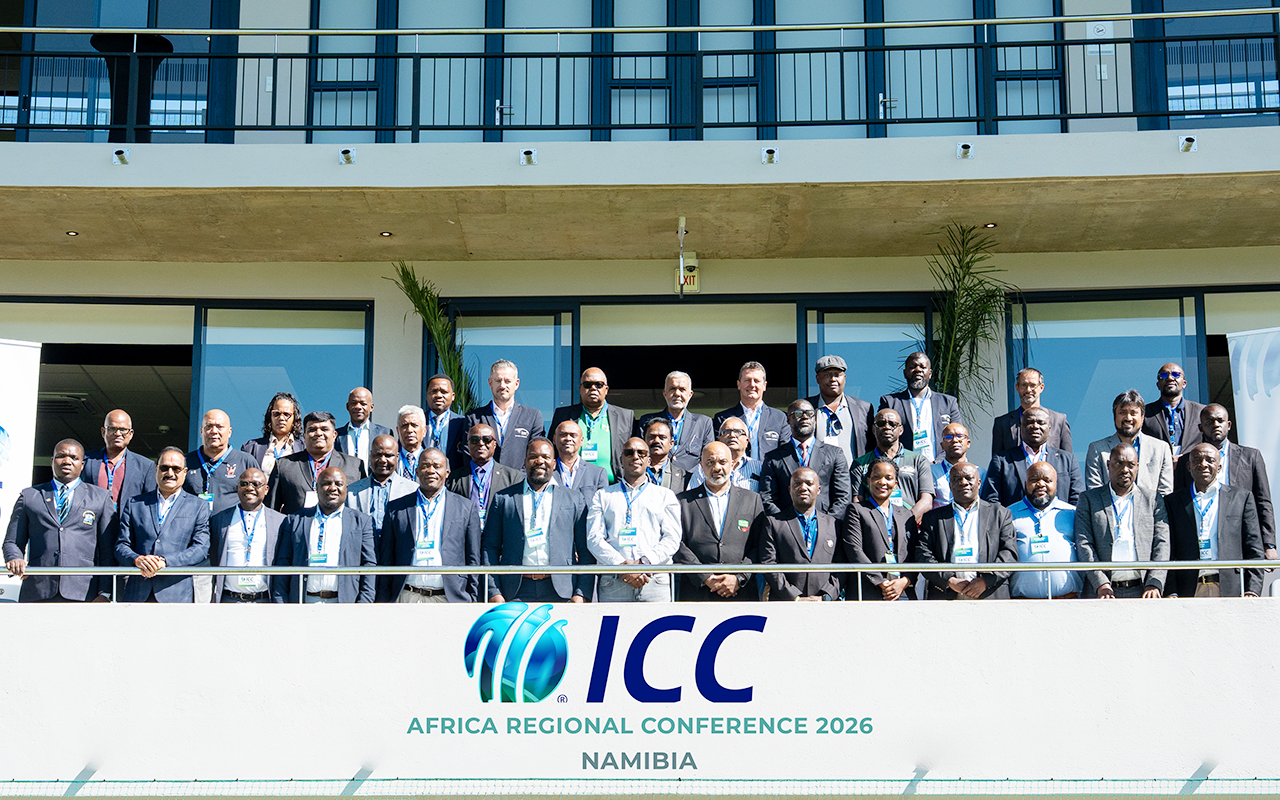
Cricket Uganda emerged as a thought leader in governance reform and digital innovation at the ICC Africa Regional Conference 2026, presenting bold ideas that could shape the future of the game across the continent.
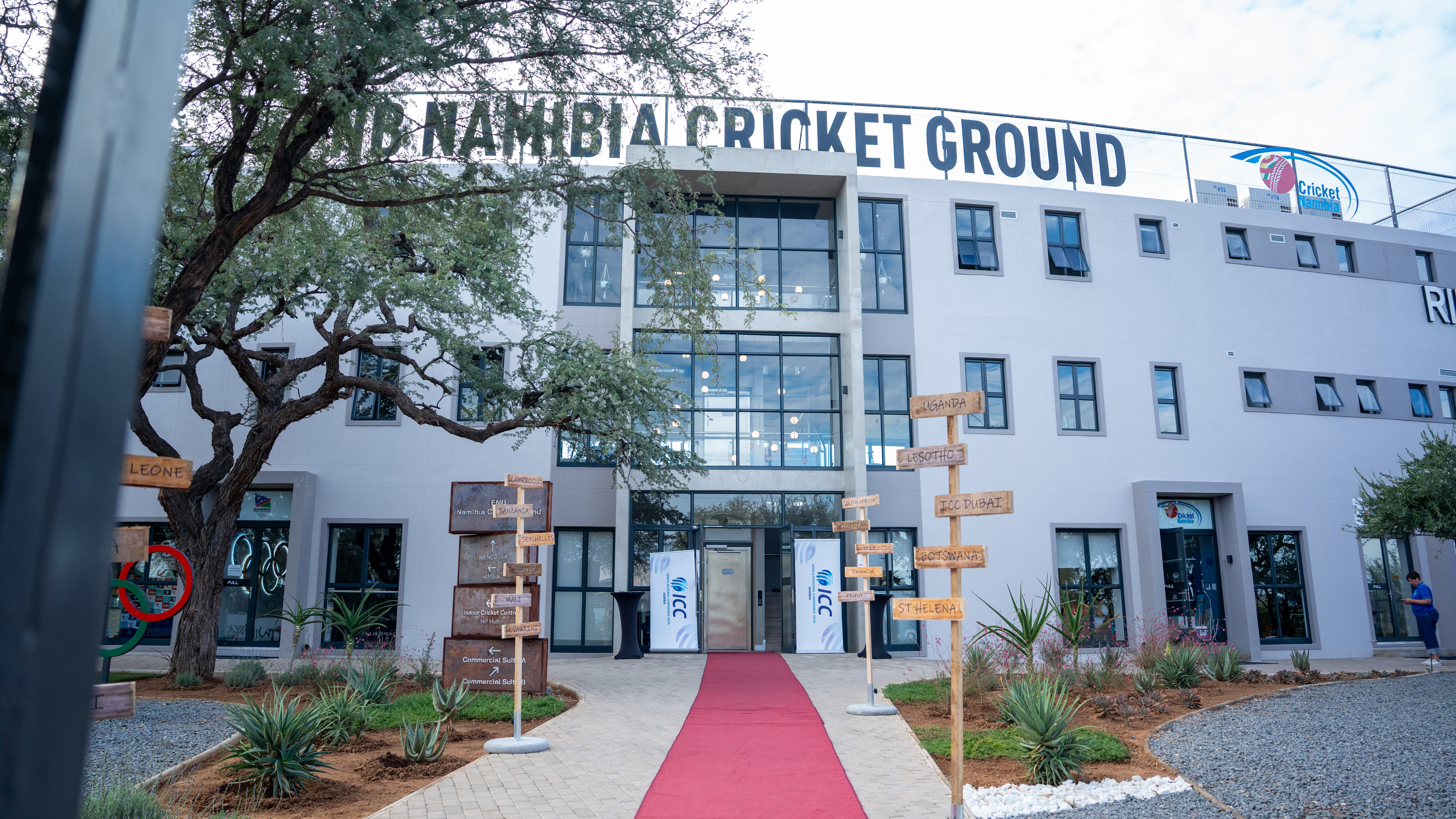
Held at the FNB Namibia Cricket Ground, the two-day conference brought together delegates from all 22 ICC Africa member nations under the theme; “Building Sustainable Cricket Ecosystems in Africa – Collaboration, Innovation and Sustainable Development.”
Uganda sets the tone
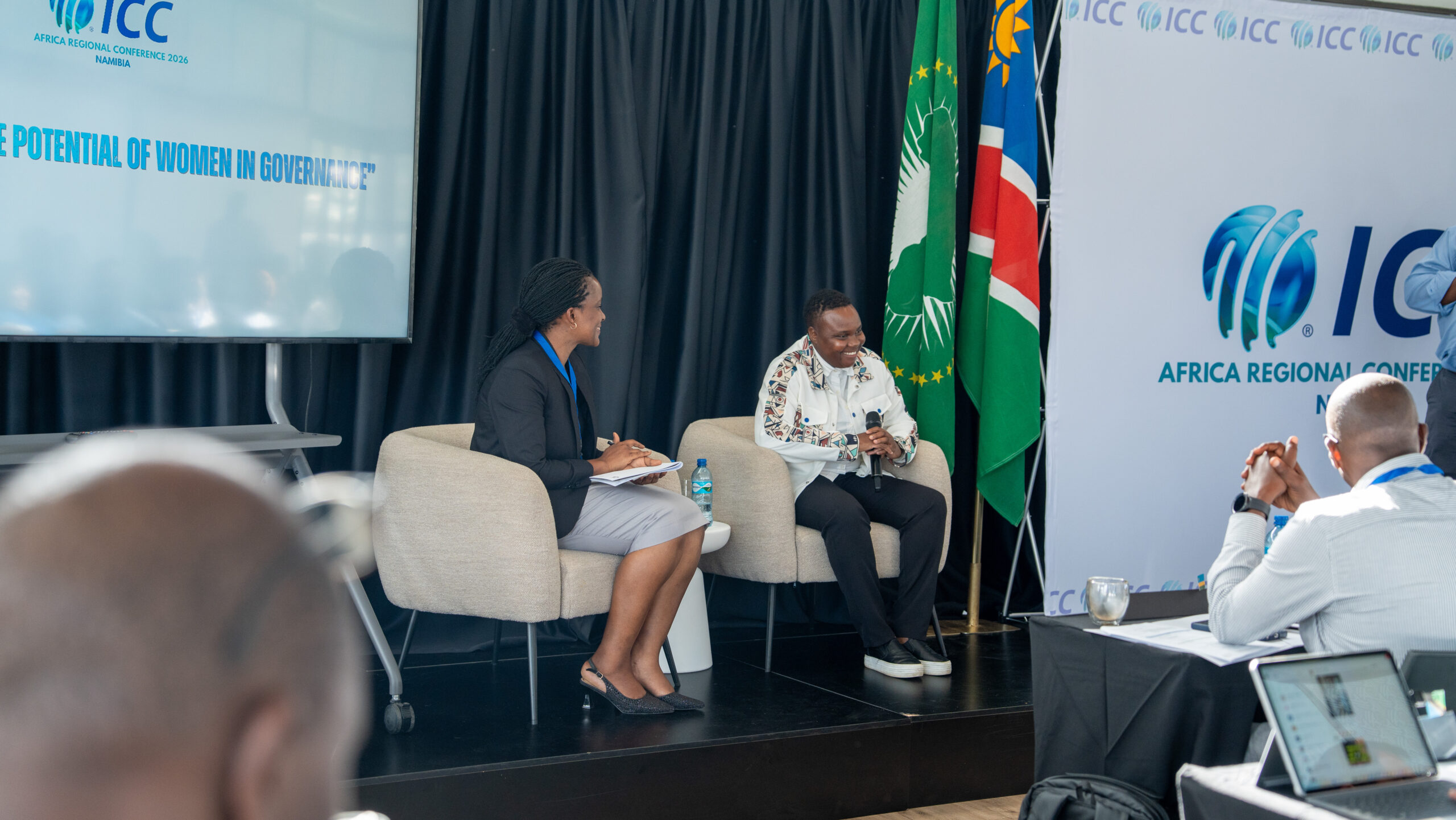
Uganda took centre stage during key governance and commercial sessions, with CEO Evelyn Kabongerwa leading conversations on women in leadership, while Hon Secretary Denis Musali presented a case study on innovation and fan engagement.
Kabongerwa’s presentation went beyond advocacy, offering a structured framework for change built on education, mentoring, policy reform and accountability systems.
“Women elevate governance through ethics, discipline and accountability,” Kabongerwa said. “When women lead, communities and cricket thrive.”
From vision to policy
Her proposal outlined actionable pathways including quota systems, leadership training programs, and flexible work policies to support women’s participation in governance.
“It’s time to move beyond symbolic inclusion to substantive participation in decision-making spaces,” she emphasized.
The session triggered high-level discussions, including proposals for ICC to integrate gender representation metrics into member scorecards, potentially influencing funding allocations.
Uganda’s digital blueprint
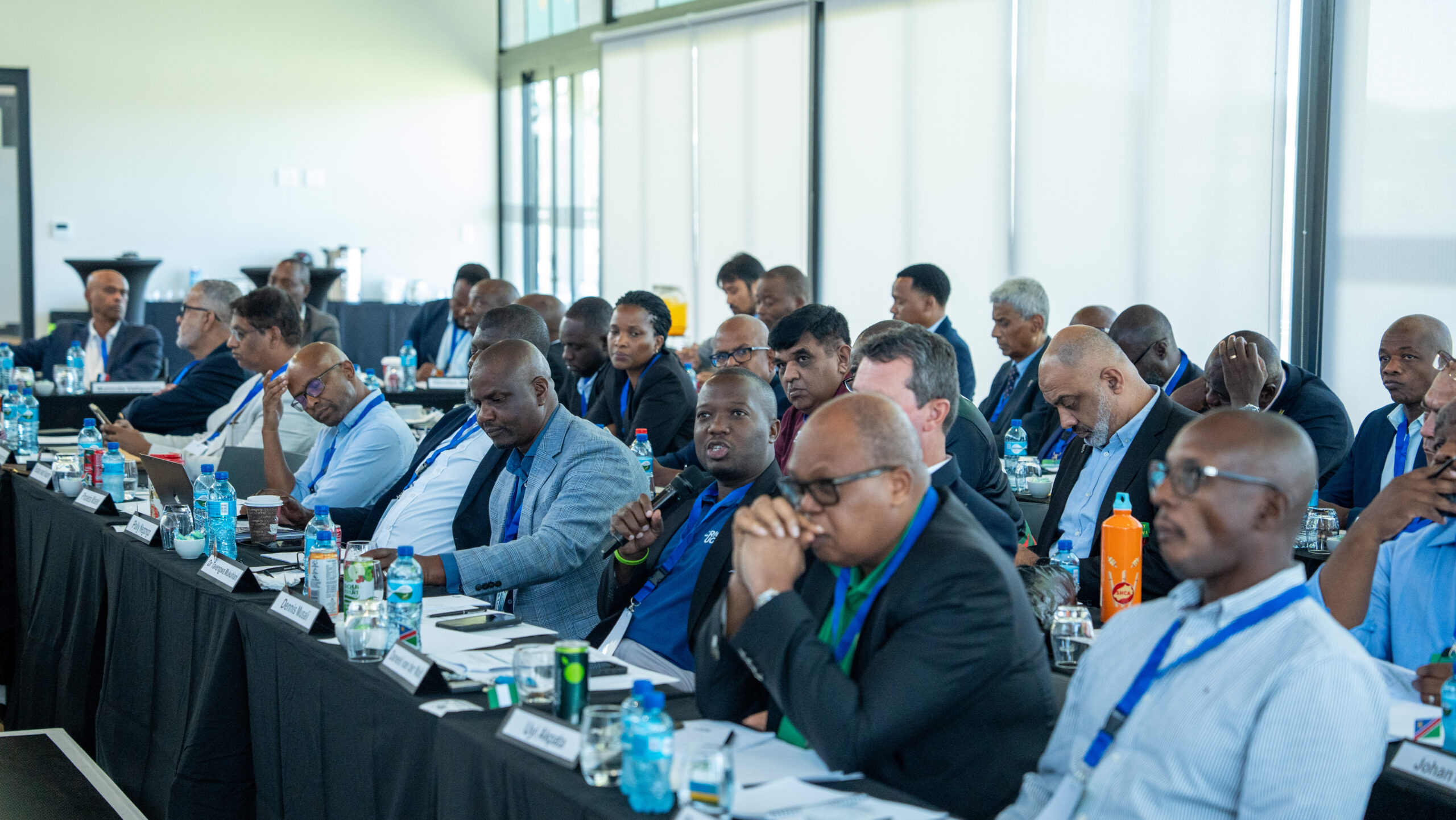
On the commercial front, Musali positioned Uganda as a model for emerging cricket economies through a data-driven presentation on fan engagement.
Uganda’s strategy is built around a young, digital-first population, with over 65 percent under the age of 24, presenting a massive untapped market.
“Digital is the equaliser. Storytelling matters, and consistency makes people stick,” Musali said.
Turning fans into value
Musali detailed Cricket Uganda’s multi-layered approach:
- Live streaming of domestic and international matches
- Short-form video content across platforms
- Night cricket, university leagues and corporate tournaments
- SMS fan databases and community-driven travel support
“Live streaming is a gold mine and low-hanging fruit that members can tap into if done right,” he added.
The presentation also highlighted broader challenges across Africa, including low stadium attendance, weak monetization, and limited broadcast reach.
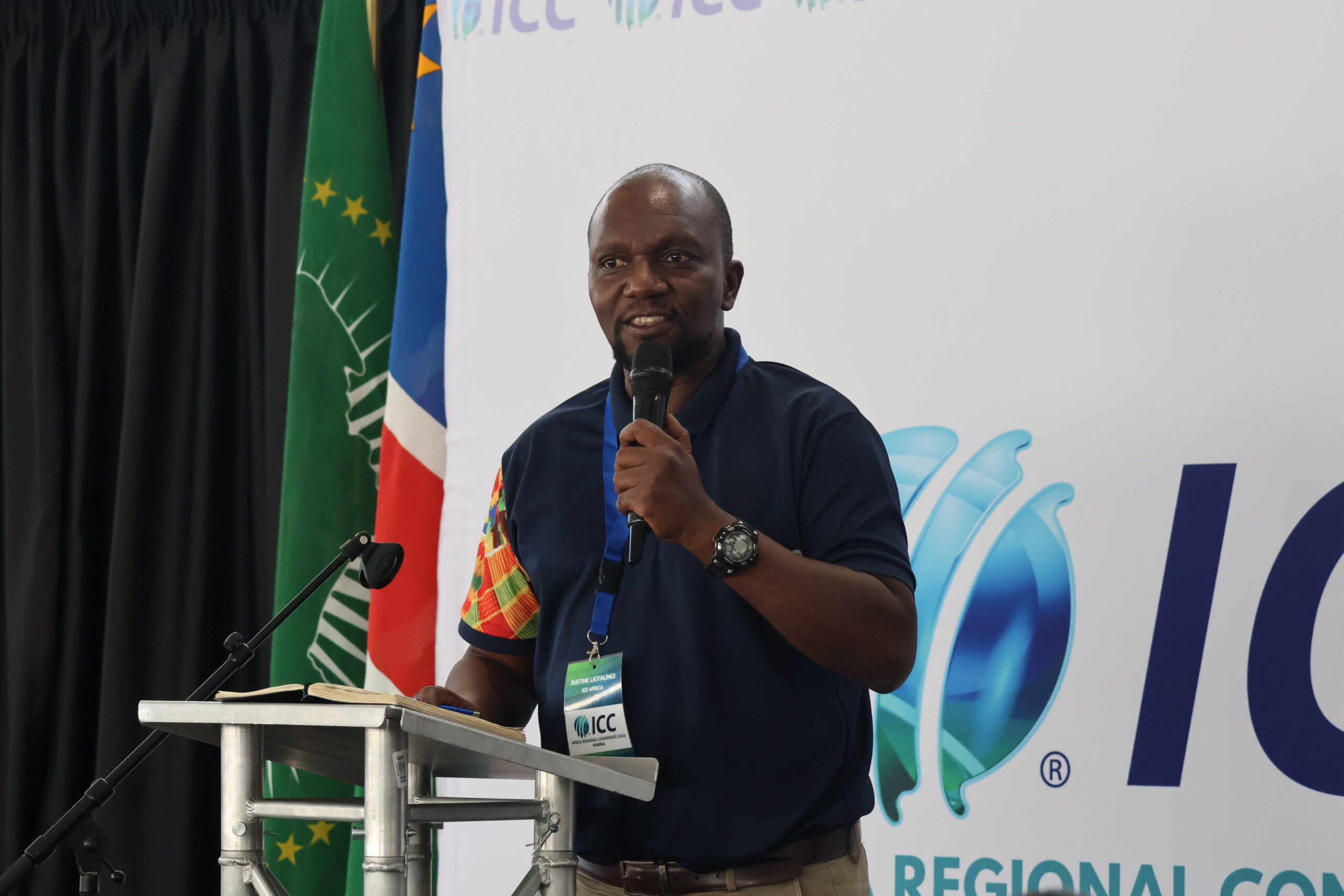
Women’s cricket opportunity
A major theme across the conference was the growth of women’s cricket, where Africa already contributes 35 percent globally.
“The gap is not immense. If members focus on women’s cricket, they stand a real chance to compete at the highest level,” Musali noted.
Deliberations also centred on the re-energization of the Africa Cricket Association (ACA), with leading nations; South Africa, Zimbabwe, Namibia and Uganda expected to spearhead its development.
“If you want to go far, you need to go together,” Musali said.
“Once Africa stays together, the movement will benefit even those at the bottom.”
Beyond the boardroom
The conference featured keynote addresses, strategy sessions, and collaboration zones, covering:
- ICC development scorecards
- Women’s cricket strategy
- Commercial partnerships and sponsorship models
- Technology and live streaming opportunities
For Uganda, the value extended beyond presentations.
“It was hectic, energizing and exciting,” Musali reflected.
“The biggest takeaway is how we connect, learn and build synergies with other members.”
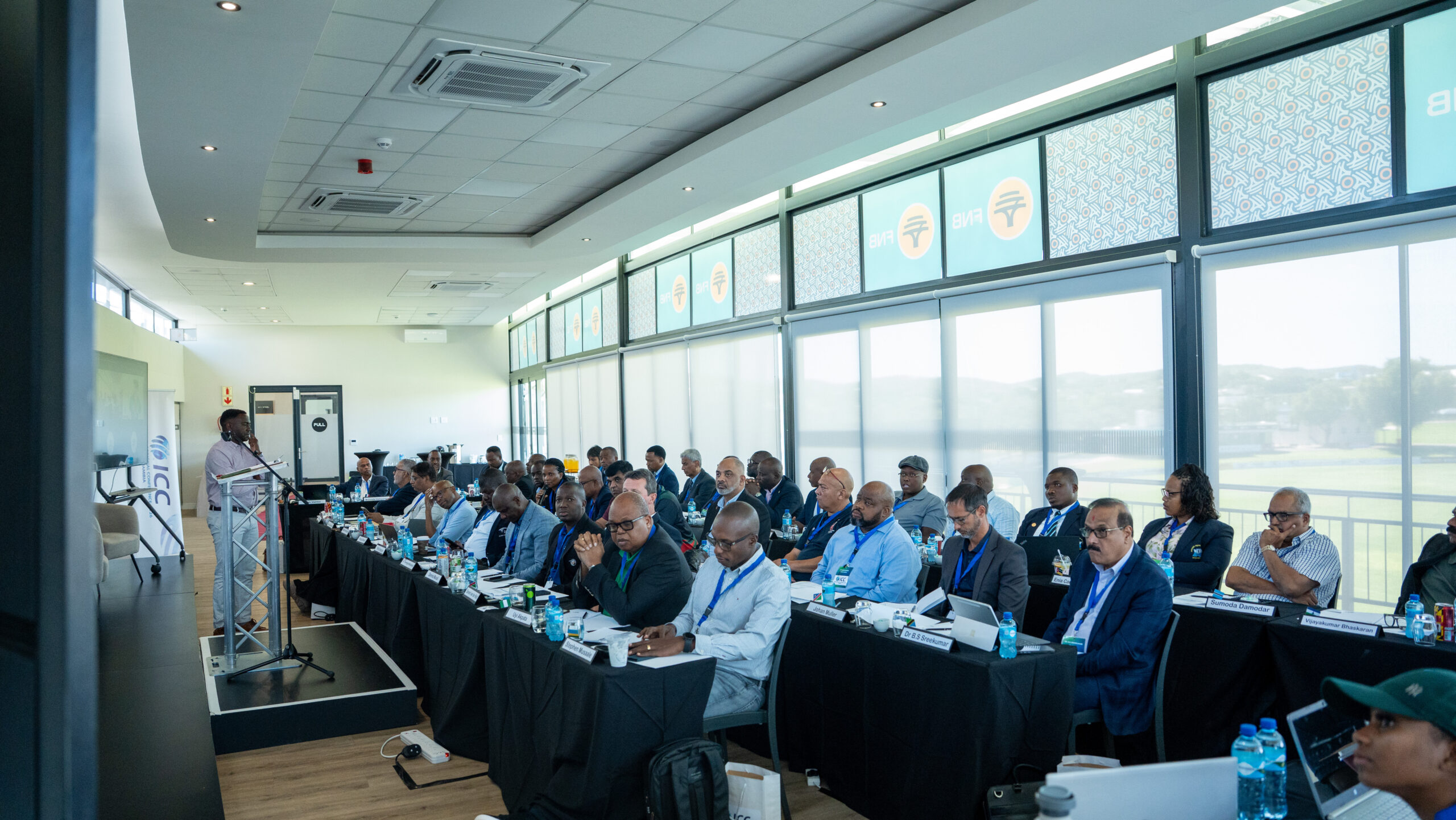
Uganda’s contribution reinforced its growing influence on African cricket — no longer as a mere participant, but as a driver of ideas, innovation and inclusive governance.
#LycaConnectsCricket